

Living Proof.
- dirtycity pigeon
- Dec 17, 2025
- 2 min read

There are five elements of hip-hop. One of them—tagging and bombing—has always been illegal. For a time, even rap itself stood on trial in the public eye. Lyrics were debated, censored, blamed. Street culture as a whole was viewed as criminal by default—more so in the past than now.
Fast-forward and rap has been diluted by design. Polished. Packaged. Made less threatening. What once documented survival now often sells escapism.
But in the early days of hip-hop, the street didn’t ask for permission. Neither did graffiti. Neither did the culture.
Today, there is a bird whose presence in the city is treated with the same hostility as a drip marker or a Krylon can in the hands of a Chicago writer. Unwanted. Criminalized. Scrubbed away.
The pigeon.
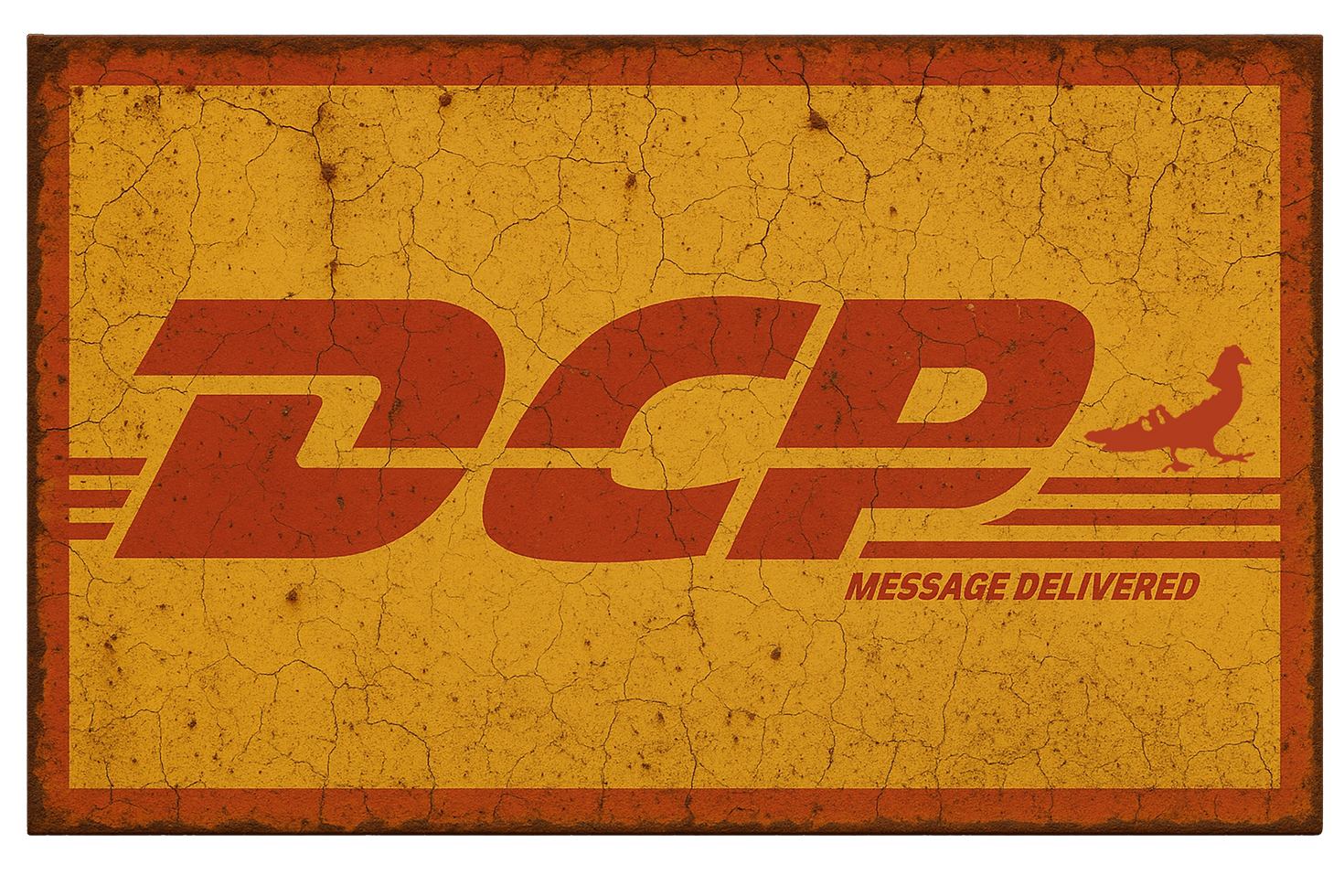
The Dirty City Pigeon exists where it’s “not supposed to.” On ledges, tracks, rooftops, sidewalks—occupying space, leaving evidence, refusing erasure. Like graffiti, it’s blamed for decay while surviving the very conditions that created it.
The pigeon is not a nuisance.
The pigeon is a living expression of the struggle of urban life.
It survives where it’s not invited—where concrete replaces soil and pressure replaces comfort. It exists in the margins, enduring systems designed to keep it grounded.
The pigeon’s wings represent the gift—the thing all of us possess, whether we recognize it or not. The ability to rise above conditions meant to hold us down. The capacity to lift ourselves when gravity, systems, and circumstance insist we stay put.
Wings aren’t an escape.
They’re earned.
Every obstacle, every ledge, every close call strengthens the muscle required to take flight. The pigeon is a living tag—a moving reminder that the street endures, and always speaks back.

Comments